“Jainism is an ancient Indian religion, originating around the 7th–5th century BC, that emphasizes a path to spiritual purity and liberation (moksha) through nonviolence (ahimsa), non-possession, and non-absolutism. As a non-theistic faith, Jains believe in karma, reincarnation, and the immortality of the soul, aiming to free the soul from karmic bonds by respecting all life, including plants and microorganisms. “
The first thing that I learnt about Jainism and I don’t remember from where or when was that Jains are vegetarians and Jain monks walk with a straw broom brushing the ground in front of them while they walk to avoid walking on insects including ants. I thought this practice was incredibly kind.

The next thing I learnt about Jainism was while was in India in Chennai in 2000 in the south and I was riding past a Jain temple with my Korean friend Ria Kim on the back of an Indian bicycle and there was a Jain wedding and they were dancing in front of a Jain temple. We stopped to watch in awe. They invited us to join in so me and Ria joined in and we had a fantastic time dancing.

“We preach and practice brotherhood — not only of man but of all living beings — not on Sundays only but on all the days of the week. We believe in the law of universal justice — that our present condition is the result of our past actions and that we are not subjected to the freaks of an irresponsible governor, who is prosecutor and judge at the same time; we depend for our salvation on our own acts and deeds and not on the sacrificial death of an attorney.”
Virchand Raghavji Gandhi
I love this quote and particularly the idea that Jains have compassion not just for humans but all living beings.
“Jain teachings do not stand or fall on rational arguments; rather, the sole and sufficient guarantee of their validity is the Tirthankar’s omniscience. These teachings are not only regarded as unconditionally true; they are also enunciated for one specific purpose and for no other reason. That purpose is the attainment of liberation from the world’s bondage.”
Lawrence A. Babb,
I think the most interesting aspect of this Jain philosophy quote is the quest for liberation from the world’s bondage and in my books that’s freedom from emotional attachment which causes deep suffering and the bondage of being ruled by negative emotions such as anger, jealousy and hatred.
In the initial quote to start this essay the idea of Jains idea of non-violence or ahimsa it reminded me of the Dalai Lama’s talks about ahimsa or non-violence in word or action.
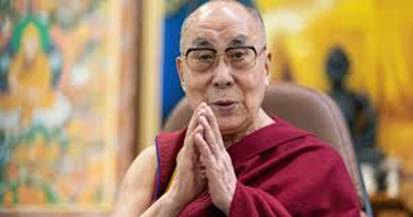
The following is the Tibetan idea of ahimsa:
“In Tibetan Buddhism, ahimsa (non-violence) is a core ethical principle rooted in compassion, interdependence, and the “first precept” to avoid harming any sentient being. It extends beyond physical action to include non-violence in thought and speech, emphasizing that all beings deserve respect and that causing harm has negative karmic consequences.”
I also see a connection between Jain ideas and the teachings of the Catholic Saints. For example, the Jain philosophy of compassion and Mary MacKillop’s idea of altruism with her quote: “Never see a need without doing something about it.”

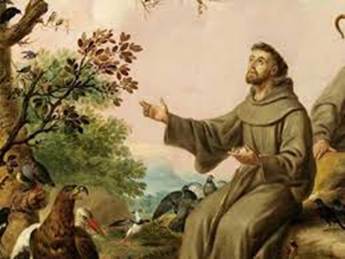
I also see a connection between Jainism and this quote by Saint Francis: “A single sunbeam is enough to drive away many shadows.”
This quote is similar to Jainism as it shows the power of compassion and altruism.
In conclusion I love to find connections between the cornerstone blocks of religious foundations when these ideas cross over.